A simple bedtime routine without buying new gear
As an Amazon Associate, I earn from qualifying purchases.
A bedtime routine can start with clearing a little space at the end of the day. There is no need to order a sleep tracker or turn your bedroom into a project. Choose a few things you can repeat with the time, space, and responsibilities you have.
This is general health information, not medical advice or treatment for a sleep disorder. If you have trouble sleeping, talk with a healthcare professional.
Bay’s bedtime routine
“I like to take a bath about 30 minutes before bed, and I don’t drink coffee or soda before bedtime.” — Bay, the owner of Bay Budget. Bay is a pen name.
That is Bay’s personal routine, rather than a promise that the same timing or habit will work for everyone. Use the ideas below to find a routine that fits your own evening.
Choose a realistic bedtime and waking time
The CDC’s sleep guidance recommends consistent bedtimes and waking times. It lists seven or more hours for adults ages 18–60, seven to nine for ages 61–64, and seven to eight for adults 65 and older. Those are general age-based recommendations; your healthcare professional can help with individual concerns.
Start by writing down when you need to be up and what usually happens before bed. Include the unglamorous parts: caring for someone, getting home from work, doing dishes, or preparing for tomorrow. A plan that ignores those jobs is hard to use.
If shifts or caregiving make regular hours difficult, choose one small part of the routine you can repeat. You do not have to pretend your schedule is predictable. Bring those constraints into a conversation with your healthcare professional if sleep is a recurring problem.
Give the evening a simple stopping point
Pick a cue that means you are beginning to wind down: putting tomorrow’s keys in their place, finishing the last household task, or closing the television program you were watching. The cue is a practical reminder, not a treatment.
Here is one possible sequence to adapt: set out what you need tomorrow, get ready for bed, then spend a little quiet time on an activity you find relaxing. You might read something you already own or sit quietly. Skip any step that adds work without helping you settle.
Make a plan for the phone
CDC suggests turning off electronic devices at least 30 minutes before bedtime. If you use a phone for an alarm or need to remain reachable, decide what access is necessary and which browsing can wait.
For example, set the alarm before starting your routine and put the phone in a consistent place. Avoid silencing calls or alerts you depend on for safety or caregiving. The useful question is what you can change without creating another problem.
Work with the room you have
CDC recommends a quiet, relaxing bedroom at a cool temperature, and avoiding caffeine in the afternoon or evening and large meals or alcohol before bed. Start with a change you can manage rather than shopping for a new setup.
A shared room, street noise, or limited control over heating may rule out an ideal arrangement. Look for a small adjustment within your control: clear a place to put your phone, move unfinished paperwork out of the bed, or agree on a quieter time with others if that is possible. You do not need to buy equipment to try those steps.
Keep tomorrow’s jobs out of tonight’s routine
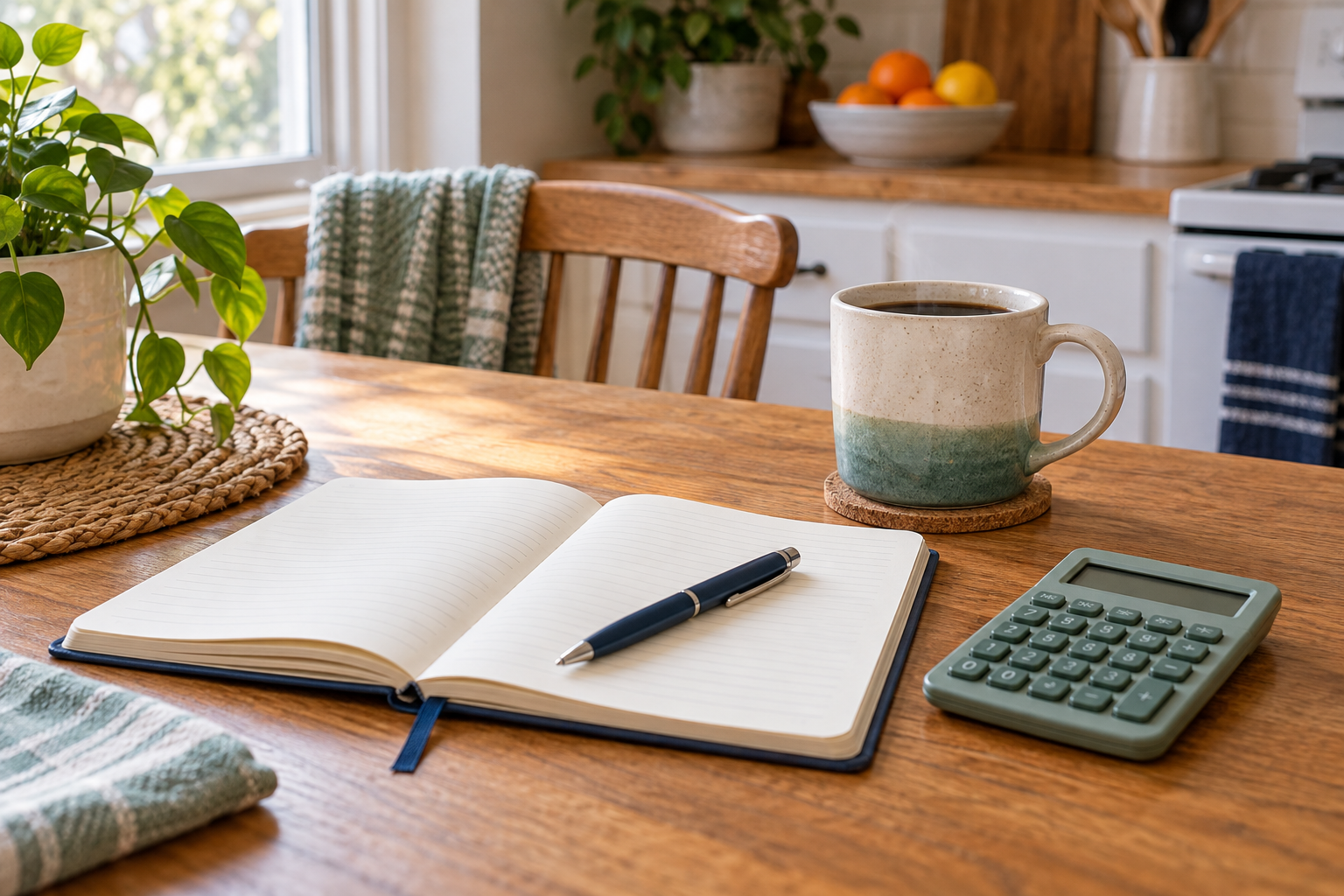
If you keep remembering errands, write a short reminder before getting ready for bed. Keep it to the next necessary tasks rather than building a whole new household system. Paper or a note you already use is enough.
For example: take out the bin, check the appointment time, and add milk to the shopping list. A reminder can hold those details until morning. It does not have to become a journal, a tracker, or another streak to maintain.
Notice difficulties without grading yourself
Try one manageable change and make a brief note about what happened. Was it practical? Did another responsibility interrupt it? Adjust the routine around the answer. A difficult night is information rather than a failed assignment.
Persistent trouble falling asleep, repeated waking, or feeling sleepy despite enough time asleep deserves a conversation with your healthcare professional. Better habits do not resolve every sleep problem; CDC notes that sleep disorders can interfere even when someone is trying hard.
For another accessible routine, see our guide to starting walking without a gym. Our three-day meal-planning guide offers a way to make dinner decisions earlier. Visit Start Here for more practical everyday ideas.
Tonight, choose one stopping cue and one small preparation for tomorrow. Keep the plan simple enough to use on an ordinary evening.
Optional: a mat for a compatible bathtub
For readers who also enjoy a bath, the YINENN 40-by-16-inch suction-cup bath mat is an option to compare if a mat is needed. The listing specifies smooth, clean surfaces and warns against use on textured, tiled, or other non-smooth surfaces and with bath oils. Measure your tub and follow all installation, cleaning, and suction checks in the instructions. A mat does not guarantee against slipping and is not a sleep aid.
This is a selection based on listing research, not a hands-on product review or a claim that Bay owns this item. Check the selected version, current delivered price, and return terms before ordering.